Recommended English Afternoon/ High Tea Menus
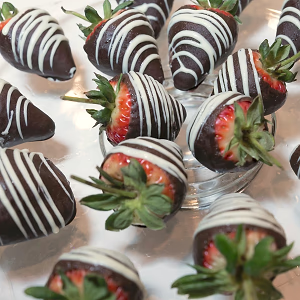
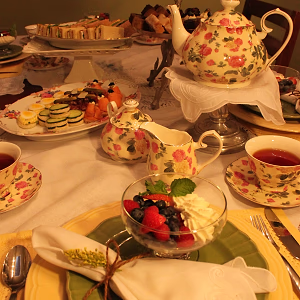
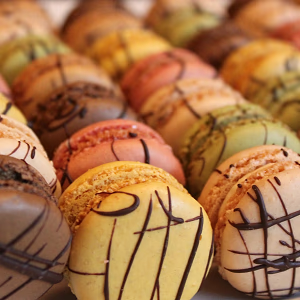
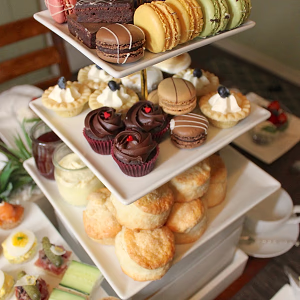
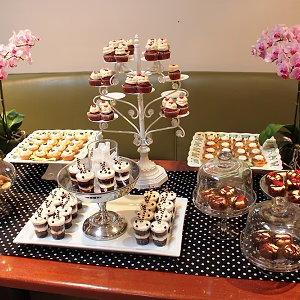
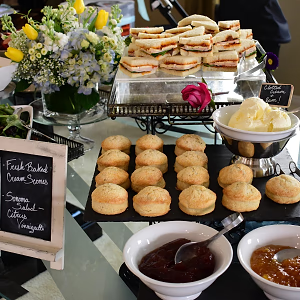
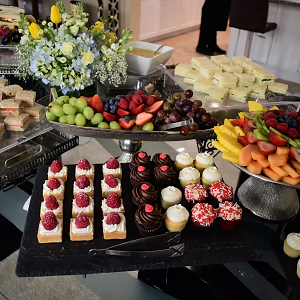
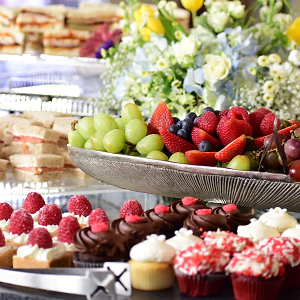
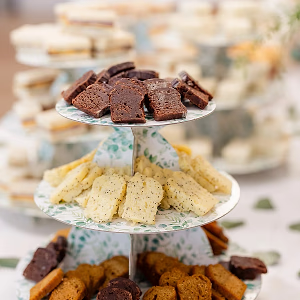
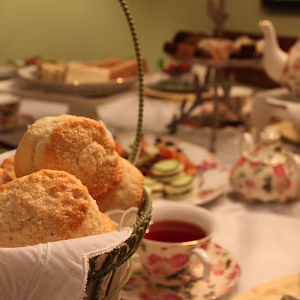
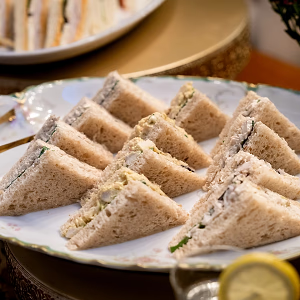
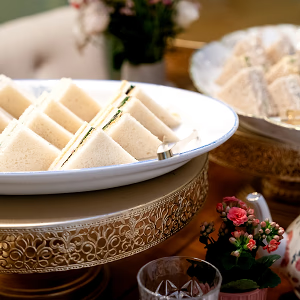
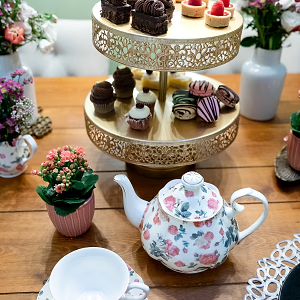
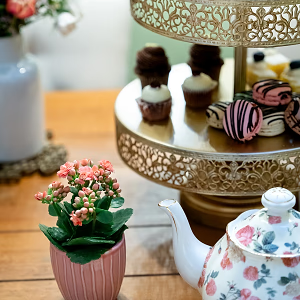
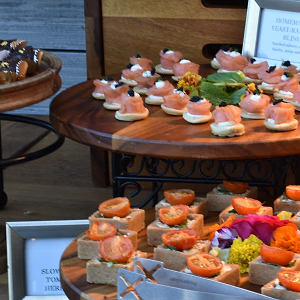
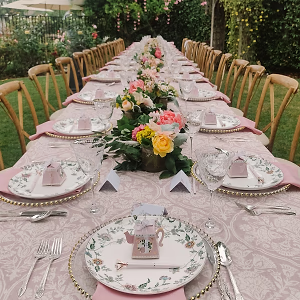
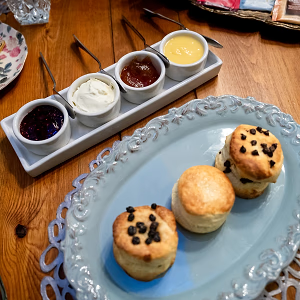
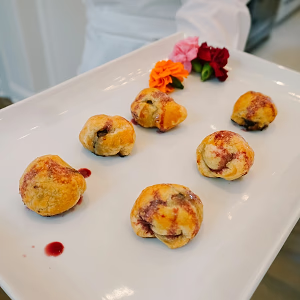
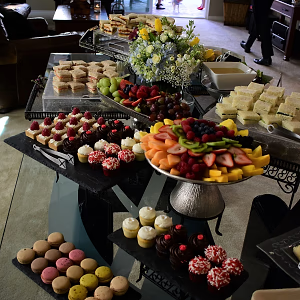
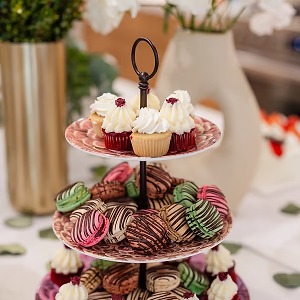
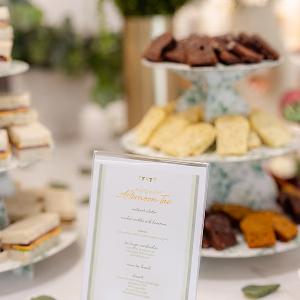
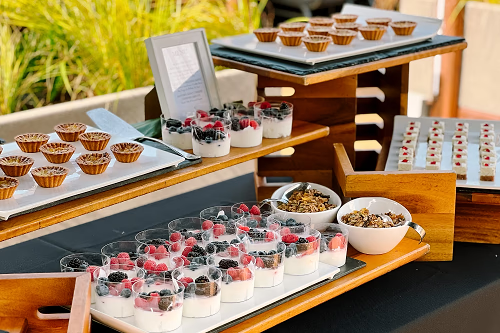
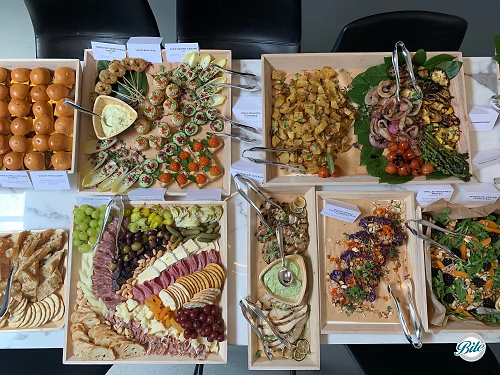
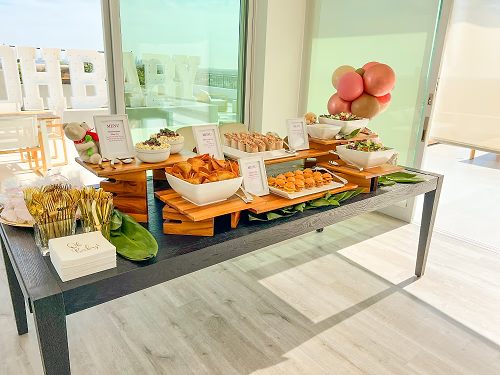
Afternoon tea pulls on memory, sensation, and a bit of ceremony that makes it a fun theme for a wide variety of events. The memory does a lot of work before anyone arrives, a grandmother's table, a childhood tea party, a period drama, associations people carry without being taught. The sensation fills the table: tiered displays staged at varying heights, scones warm under linen and splitting open to steam, clotted cream in small footed bowls next to deep red strawberry jam and bright yellow lemon curd, finger sandwiches cut into neat rectangles and triangles and rounds (cucumber with dill butter, smoked salmon with crème fraîche, coronation chicken, egg salad with watercress), pastel macarons, chocolate pudding tartlets, mini cashew-crusted key lime pies, strawberry and cream bites, chocolate-covered strawberries, Victoria sponge in thin slices, tea breads on wooden boards, fresh florals in low arrangements, a selection of hot teas across the service.
An afternoon tea can pull on but doesn't need to be constrained by the three-tiered tea service you might enjoy at a tea room or a reservation at the Langham. A high tea can bring in heartier, more savory items that work for a meal. A large group can enjoy finger sandwiches and petit fours while engaged in the celebration of a bridal shower or baby sprinkle. An extended family may celebrate Mother's Day with the matriarch of the family and all the mothers of the next generation, with no need to worry about a two-hour reservation window. And if you want to dress up in all whites and have a Pimm's cup at a Henley's, or add red jackets, wigs, and Victorian dresses for an English gala, we're here for it.
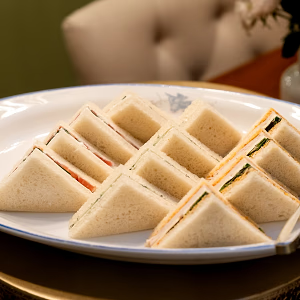
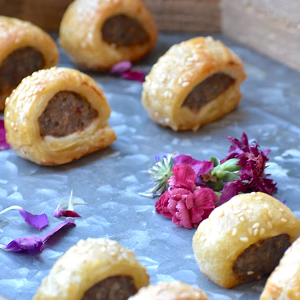
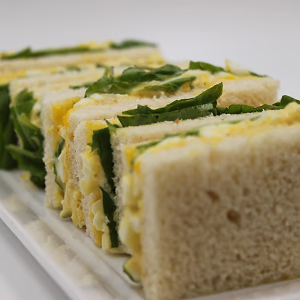
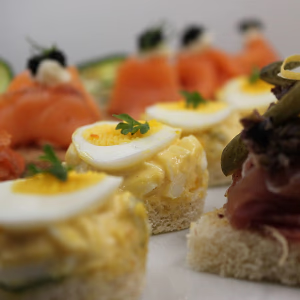
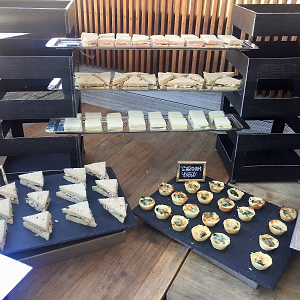
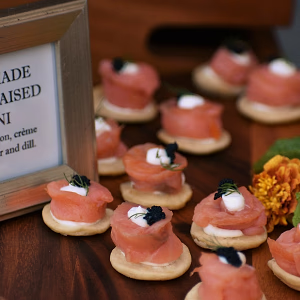
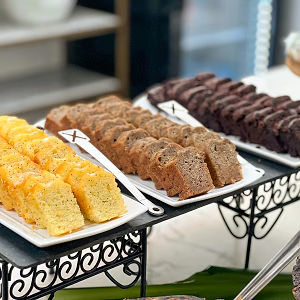
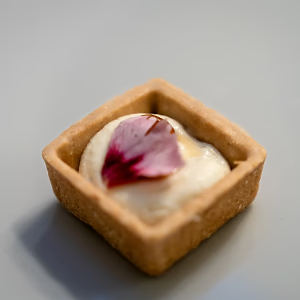
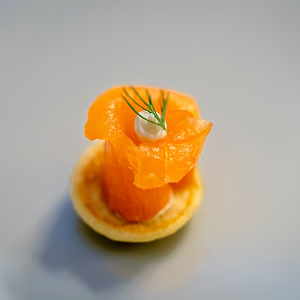
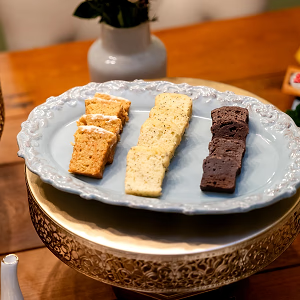
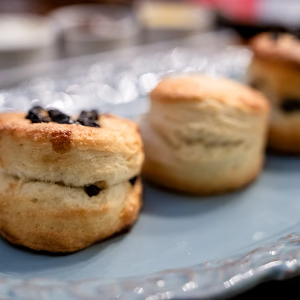
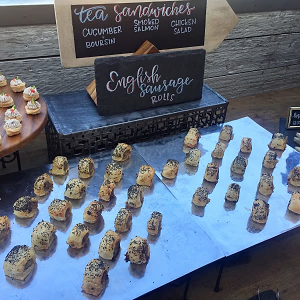
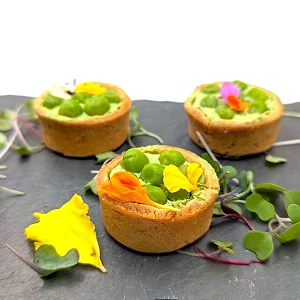
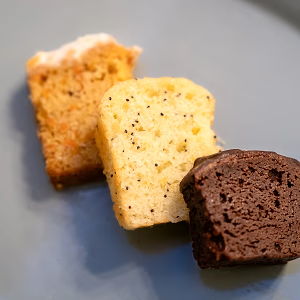
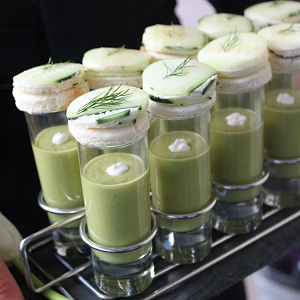
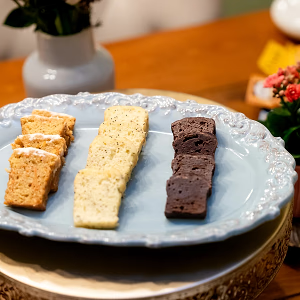
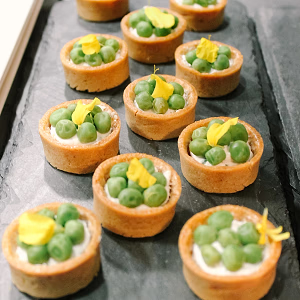
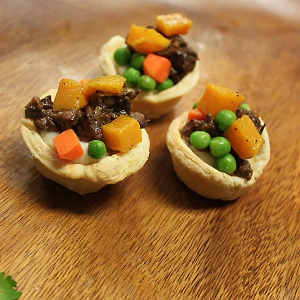
Our menu spans English options (and more) that work for a variety of events, from the classic tea-service anchors to a broader range of savory and sweet items. Finger sandwiches made the way they're supposed to be made: cucumber with dill butter on white, smoked salmon with crème fraîche on pumpernickel, coronation chicken on brioche, egg salad with watercress, open-face charcuterie, turkey and brie, crusts trimmed. Beyond the sandwich board: English sausage rolls, mini beef wellington with red wine reduction, smoked salmon blini, chilled English pea soup in cucumber-boursin canapés, peas-and-goat-cheese tarts, tomato herb tarts. On the sweet side: scones baked the morning of the event and served with Devonshire clotted cream and lemon curd made in our kitchen, Victoria sponge, tea breads, shortbread, macarons, mini tarts (lemon, chocolate pudding, cashew-crusted key lime), chocolate-covered strawberries, strawberry and cream bites, and a seasonal dessert display that rotates through the year. This is the range that lets a tea event actually hold an afternoon for forty guests, with a menu that carries people from arrival through the savory phase through scones through the sweet table.
Born in London and trained in pastry in New York, Elizabeth's love of English tea has made it one of our signatures since 2007.
Bridal and baby showers. The most common context, and the one where the adaptation matters most. A shower is really about the honoree spending time with the people who came for her: her mother, her future mother-in-law, her grandmother, her college friends, her coworkers. That's a multigenerational room, and the food and pace of tea hold that room together in a way a cocktail shower doesn't. We build the service so the honoree can actually move through the gathering, sit with different groups, open gifts without the food timing interrupting her. The food carries the event. It doesn't demand a script.
Mother's Day lunches. Hosted Mother's Day gatherings, often a few generations at one event, sometimes tied to a family tradition. The tea framework gives the afternoon structure without turning it into a formal lunch. The warm scone course alone does real work here, the kind of food moment that guests talk about on the drive home.
Milestone birthdays. Seventieth and eightieth birthdays, anniversary lunches, honorees who've aged past the cocktail format and want their friends to actually hear each other. The seated, slower register of tea is the point. We've built these for private homes, garden venues, and for clients hosting at 440 Elm when they want the architecture as part of the afternoon.
Women's gatherings, committee meetings, philanthropic afternoons. Board teas, fundraising luncheons, sorority and alumni gatherings, book clubs marking a milestone. Tea creates a register that's warmer than a business lunch and more intentional than a coffee service, and for groups that meet in the afternoon anyway, it turns a working gathering into something that feels like an event donors and members remember.
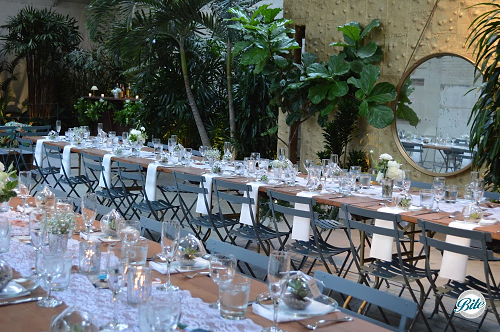
Brand, press, and production events. Beauty press previews, fashion showroom afternoons, lifestyle publication gatherings where the editorial aesthetic of tea does real work for content capture. The visual grammar of tea, the variety of the table, the colors, the linens, the florals, the display, reads on camera and in the room at the same time, and the event photographs itself while guests enjoy the afternoon. On the production side, we've catered events tied to Bridgerton, Downton Abbey, and Little Women, a mix of cast and crew gatherings and press events depending on the production, as well as events for the British Consulate. The tea tradition is the connective tissue for all of it, and we've built versions of it for audiences who know the real thing when they see it.
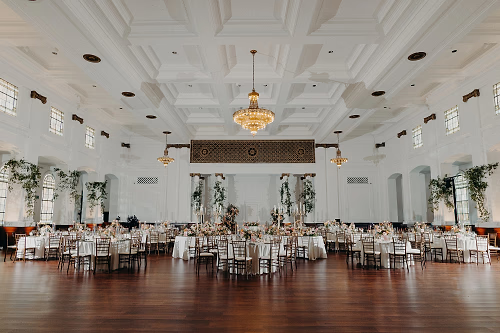
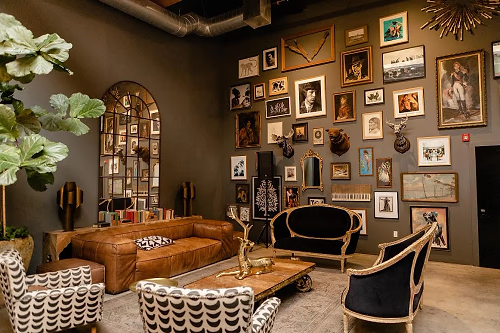
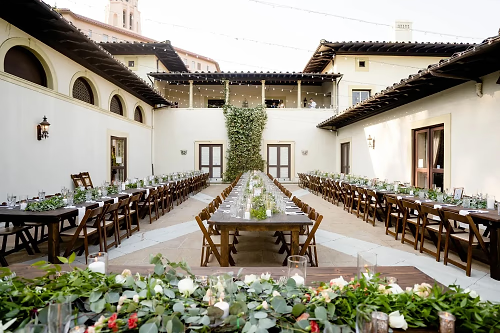
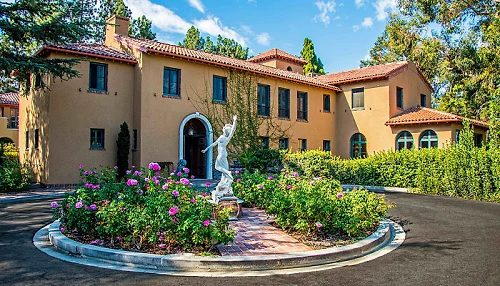
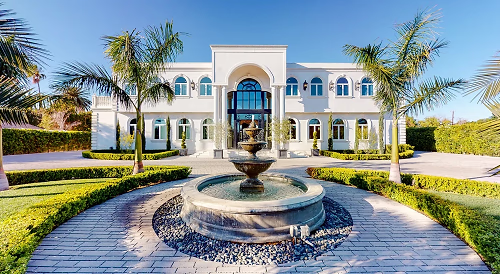
Themed events at scale. When the ambition goes past a shower or a lunch, a proper Bridgerton-themed party for three hundred, a Downton-era birthday, an Anglophile fundraiser that wants the full treatment, the tea framework anchors the food and the service, but the event becomes something closer to a themed ball with tea as its spine. This is where the production work matters: we've built for the actual shows and for clients who want that same world at their own event, and the experience of doing both shapes how we build the party. We'd point you toward 440 Elm for the venue. It's our 1913 landmark ballroom in Downtown Long Beach, designed by Elmer Grey (the architect of the Beverly Hills Hotel), with 30-foot coffered ceilings and original leaded glass. The architecture does most of the thematic work before you've hung a single garland, which lets the budget go into the food, the florals, the service, and the guest experience. For events of this scale and ambition, ask us about 440 Elm as part of the conversation.
Download PDF: High Tea!

Download PDF: High Tea Assortment

Download PDF: Tea Sandwiches and Scones on A La Carte Platters Menu - Available for Pickup or Delivery

Download PDF: Custom English High Tea Catering Menu Ideas

Every tea we build starts with the event. A forty-person shower at a private home in Hancock Park asks for a different service model than a seventy-five-person brand preview at a showroom or a hundred-person philanthropic tea in a ballroom. Some events want a seated service with food brought to tables and tea poured by attendants. Some want a generous display the room can move through, with passed sandwiches and sweets circulating. Some want a mix: seated for the scone course when the honoree gives a toast, free movement before and after. The ceremony adapts. The food doesn't change.
The conversation we have with every client starts with the goal of the event, because a gala is a different build than an office meeting, a bridal shower is a different build than a Mother's Day lunch, and a themed party for three hundred is a different build than a philanthropic afternoon for thirty. Once we know what the event actually is, we work through the things that shape what we can build for it: timeline (when guests arrive, how long the service runs, when other things are happening in the room), venue (where you're hosting and what the space allows), power (tea is a warm-food format, and the warming equipment has to be supportable), activities (whether there's a gift opening, a program, speeches, a theme to coordinate around), and the amount of table real estate available for display work, because tea is a visual format and the footprint matters. Those questions are what we'd walk through with you on a first call, and they're what let us build a tea that adds enjoyment to your event.
Drop-off. You host it yourself, we deliver the food ready to go. Scones, sandwiches, sweets, and a tea setup arrive presented with clear notes, in the same quality of food and display you'd get from a staffed service. For off-site gatherings, picnic birthdays, or office teas, we also build a high tea assortment in individual packaging. Works for smaller gatherings where the host is doing the hosting.
Hosted and full service. A team on site runs the tea so you don't have to. Staff in the room keeping the food warm and replenished, refreshing the table across the service, managing the setup and breakdown. This is most of what we do: bridal showers, Mother's Day lunches, milestone birthdays, brand previews, board teas, philanthropic afternoons. The host gets to host.
Large production. The scale is bigger and the scope often is too. Themed events for two hundred or more, fundraising galas, production events, multi-area builds that coordinate food, florals, rentals, and venue logistics together. This is where we draw on our production-side work (Bridgerton, Downton Abbey, British Consulate, Little Women) and where 440 Elm often enters the conversation as the venue. Same quality of food and service, built for events where the guest list, the program, and the room ask for more.

Baby Shower Tea


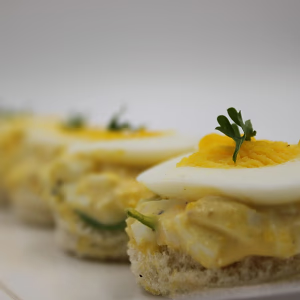
Egg Salad Tea Sandwich - Round

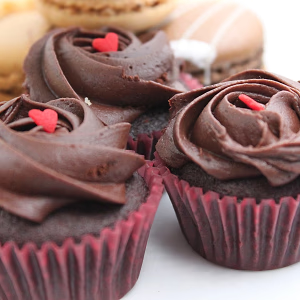
Chocolate Cupcakes with Heart

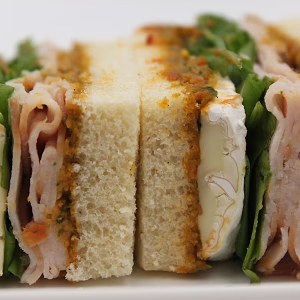
Tea Sandwich - Turkey and Brie Finger Sandwiches on Sides

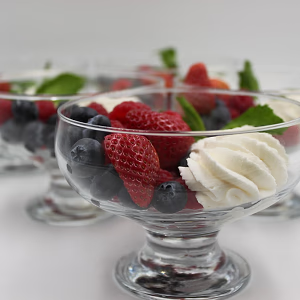
Mixed berries with freshly whipped cream

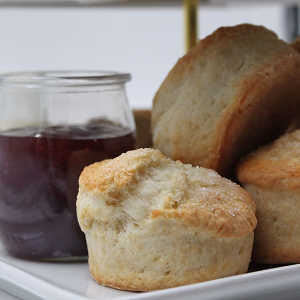
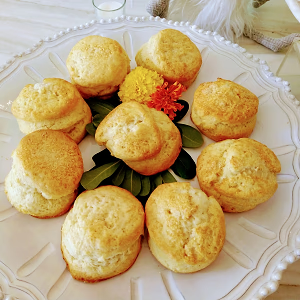
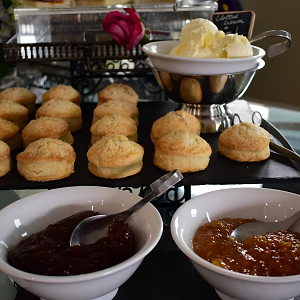
Scones with Clotted Cream and Jam

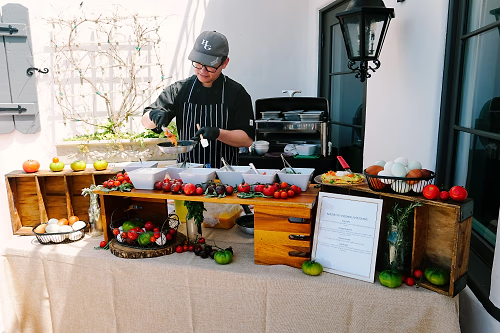
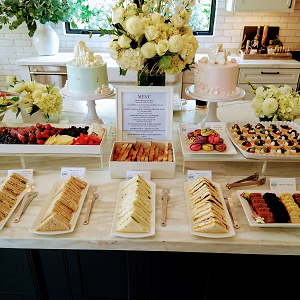
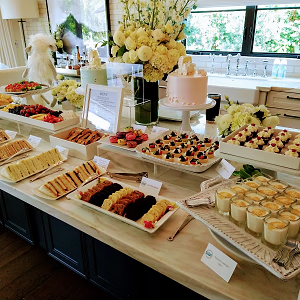
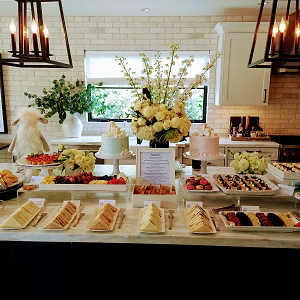
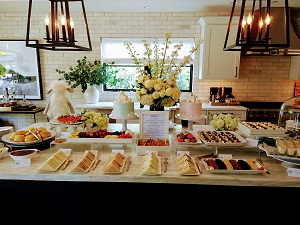
Afternoon tea displayed on our client's gorgeous counter

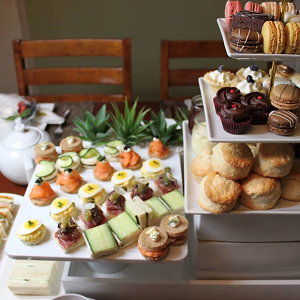
High Tea Display on White Risers

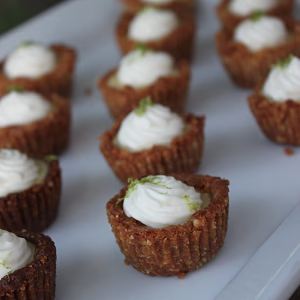
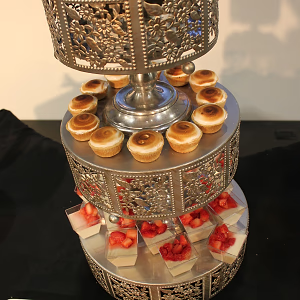
Mini Cashew-Crusted Key Lime Pies

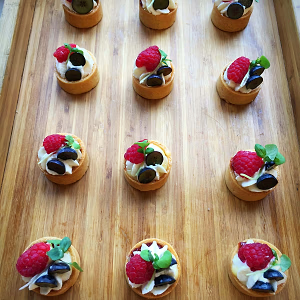
Wooden Tray with Lemon Tarts

Tea Breads

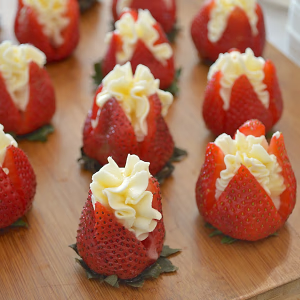
Strawberry and cream bites for dessert display

Cucumber Tea Sandwiches - Round

Chocolate Covered Strawberries

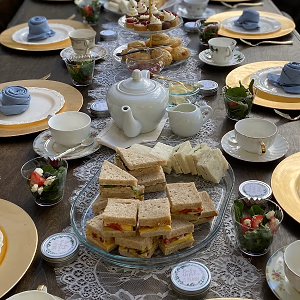
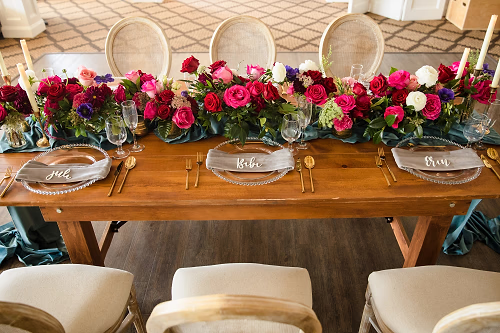
Tea Party Placesetting with Classic China

English Sausage Rolls


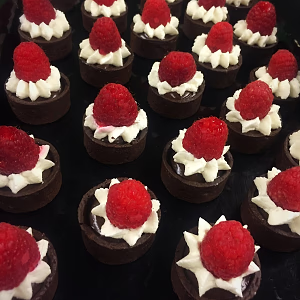
Chocolate Pudding Tartlets

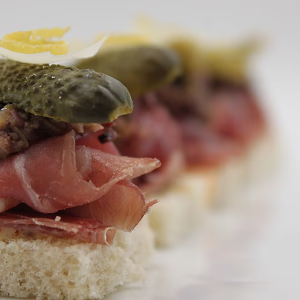
Open faced charcuterie tea sandwich

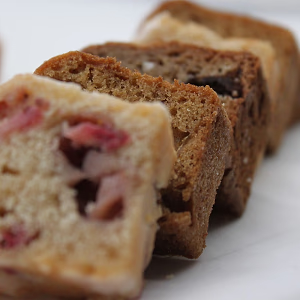
Assorted Sliced Tea Breads

Bridal Shower Tea Party at Bite Bar Dessert Station 1

Egg Salad Finger Sandwich for Tea

Scones with Clotted Cream and Jam

Open Face Tea Sandwiches on Display

Dessert Assortment

Modern Dessert Display @ KPSS

Dessert Assortment with Tea and Fruit

Afternoon Tea Display

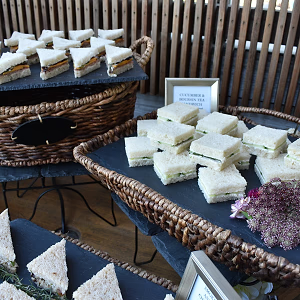
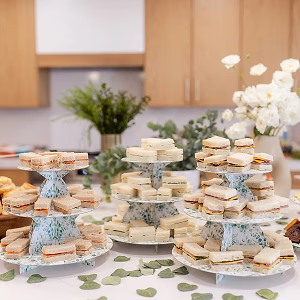
Tea Sandwiches on Multi-Level Display

Smoked Salmon Blini
_300sq.avif)
Mini beef wellington with red wine reduction

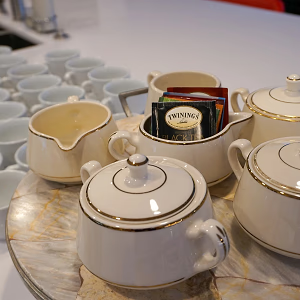
Tea Pots and Cups

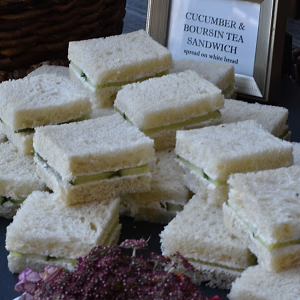
Cucumber and Boursin Tea Sandwiches


Assorted Tea Sandwiches on Baskets


Scones in Basket on Table with Classic Tea Service

Tea Breads on Display


Tea Finger Sandwich Assortment

Tea Finger Sandwich

Tea Breads


English Sausage Rolls on metal risers

peas, peas, peas herbed goat cheese tart

Smoked Salmon Blini and Tomato Herb Tart

British ale bar signage


Chilled english pea soup with cucumber boursin canape


%203_300sq.avif)
Our high tea assortment in individual packaging at a birthday picnic event

English Peas and Goat Cheese Bite

Tray Passed Beef Wellington
_300sq.avif)
Grazing menu individual box at picnic

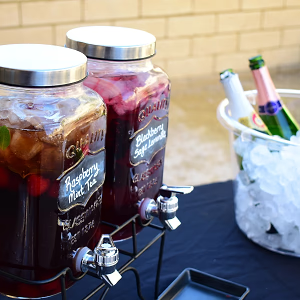
Drink Station with Tea, Lemonade, and bubbly

Closeup of scones, clotted cream, and jam

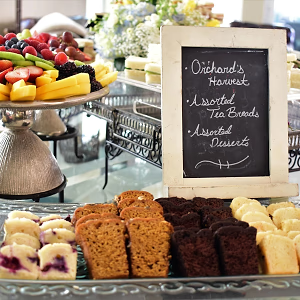
Tea and Orchards Harvest Buffet Setup on Table

Sunday Dinner Bites
Afternoon tea pulls on memory, sensation, and a bit of ceremony that makes it a fun theme for a wide variety of events. The memory does a lot of work before anyone arrives, a grandmother's table, a childhood tea party, a period drama, associations people carry without being taught. The sensation fills the table: tiered displays staged at varying heights, scones warm under linen and splitting open to steam, clotted cream in small footed bowls next to deep red strawberry jam and bright yellow lemon curd, finger sandwiches cut into neat rectangles and triangles and rounds (cucumber with dill butter, smoked salmon with crème fraîche, coronation chicken, egg salad with watercress), pastel macarons, chocolate pudding tartlets, mini cashew-crusted key lime pies, strawberry and cream bites, chocolate-covered strawberries, Victoria sponge in thin slices, tea breads on wooden boards, fresh florals in low arrangements, a selection of hot teas across the service.
An afternoon tea can pull on but doesn't need to be constrained by the three-tiered tea service you might enjoy at a tea room or a reservation at the Langham. A high tea can bring in heartier, more savory items that work for a meal. A large group can enjoy finger sandwiches and petit fours while engaged in the celebration of a bridal shower or baby sprinkle. An extended family may celebrate Mother's Day with the matriarch of the family and all the mothers of the next generation, with no need to worry about a two-hour reservation window. And if you want to dress up in all whites and have a Pimm's cup at a Henley's, or add red jackets, wigs, and Victorian dresses for an English gala, we're here for it.

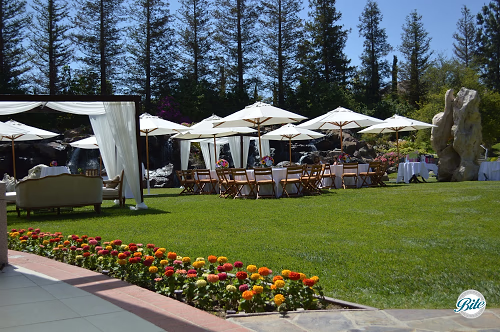
Baby Shower Tea


Egg Salad Tea Sandwich - Round

Chocolate Cupcakes with Heart

Tea Sandwich - Turkey and Brie Finger Sandwiches on Sides

Mixed berries with freshly whipped cream

Scones with Clotted Cream and Jam

Afternoon tea displayed on our client's gorgeous counter

High Tea Display on White Risers

Mini Cashew-Crusted Key Lime Pies

Wooden Tray with Lemon Tarts

Tea Breads

Strawberry and cream bites for dessert display

Cucumber Tea Sandwiches - Round

Chocolate Covered Strawberries

Tea Party Placesetting with Classic China

English Sausage Rolls


Chocolate Pudding Tartlets

Open faced charcuterie tea sandwich

Assorted Sliced Tea Breads

Bridal Shower Tea Party at Bite Bar Dessert Station 1

Egg Salad Finger Sandwich for Tea

Scones with Clotted Cream and Jam

Open Face Tea Sandwiches on Display

Dessert Assortment

Modern Dessert Display @ KPSS

Dessert Assortment with Tea and Fruit

Afternoon Tea Display

Tea Sandwiches on Multi-Level Display

Smoked Salmon Blini
_300sq.avif)
Mini beef wellington with red wine reduction

Tea Pots and Cups

Cucumber and Boursin Tea Sandwiches


Assorted Tea Sandwiches on Baskets


Scones in Basket on Table with Classic Tea Service

Tea Breads on Display


Tea Finger Sandwich Assortment

Tea Finger Sandwich

Tea Breads


English Sausage Rolls on metal risers

peas, peas, peas herbed goat cheese tart

Smoked Salmon Blini and Tomato Herb Tart

British ale bar signage


Chilled english pea soup with cucumber boursin canape


%203_300sq.avif)
Our high tea assortment in individual packaging at a birthday picnic event

English Peas and Goat Cheese Bite

Tray Passed Beef Wellington
_300sq.avif)
Grazing menu individual box at picnic

Drink Station with Tea, Lemonade, and bubbly

Closeup of scones, clotted cream, and jam

Tea and Orchards Harvest Buffet Setup on Table

Sunday Dinner Bites
Our menu spans English options (and more) that work for a variety of events, from the classic tea-service anchors to a broader range of savory and sweet items. Finger sandwiches made the way they're supposed to be made: cucumber with dill butter on white, smoked salmon with crème fraîche on pumpernickel, coronation chicken on brioche, egg salad with watercress, open-face charcuterie, turkey and brie, crusts trimmed. Beyond the sandwich board: English sausage rolls, mini beef wellington with red wine reduction, smoked salmon blini, chilled English pea soup in cucumber-boursin canapés, peas-and-goat-cheese tarts, tomato herb tarts. On the sweet side: scones baked the morning of the event and served with Devonshire clotted cream and lemon curd made in our kitchen, Victoria sponge, tea breads, shortbread, macarons, mini tarts (lemon, chocolate pudding, cashew-crusted key lime), chocolate-covered strawberries, strawberry and cream bites, and a seasonal dessert display that rotates through the year. This is the range that lets a tea event actually hold an afternoon for forty guests, with a menu that carries people from arrival through the savory phase through scones through the sweet table.
Born in London and trained in pastry in New York, Elizabeth's love of English tea has made it one of our signatures since 2007.
Bridal and baby showers. The most common context, and the one where the adaptation matters most. A shower is really about the honoree spending time with the people who came for her: her mother, her future mother-in-law, her grandmother, her college friends, her coworkers. That's a multigenerational room, and the food and pace of tea hold that room together in a way a cocktail shower doesn't. We build the service so the honoree can actually move through the gathering, sit with different groups, open gifts without the food timing interrupting her. The food carries the event. It doesn't demand a script.
Mother's Day lunches. Hosted Mother's Day gatherings, often a few generations at one event, sometimes tied to a family tradition. The tea framework gives the afternoon structure without turning it into a formal lunch. The warm scone course alone does real work here, the kind of food moment that guests talk about on the drive home.
Milestone birthdays. Seventieth and eightieth birthdays, anniversary lunches, honorees who've aged past the cocktail format and want their friends to actually hear each other. The seated, slower register of tea is the point. We've built these for private homes, garden venues, and for clients hosting at 440 Elm when they want the architecture as part of the afternoon.
Women's gatherings, committee meetings, philanthropic afternoons. Board teas, fundraising luncheons, sorority and alumni gatherings, book clubs marking a milestone. Tea creates a register that's warmer than a business lunch and more intentional than a coffee service, and for groups that meet in the afternoon anyway, it turns a working gathering into something that feels like an event donors and members remember.
Brand, press, and production events. Beauty press previews, fashion showroom afternoons, lifestyle publication gatherings where the editorial aesthetic of tea does real work for content capture. The visual grammar of tea, the variety of the table, the colors, the linens, the florals, the display, reads on camera and in the room at the same time, and the event photographs itself while guests enjoy the afternoon. On the production side, we've catered events tied to Bridgerton, Downton Abbey, and Little Women, a mix of cast and crew gatherings and press events depending on the production, as well as events for the British Consulate. The tea tradition is the connective tissue for all of it, and we've built versions of it for audiences who know the real thing when they see it.
Themed events at scale. When the ambition goes past a shower or a lunch, a proper Bridgerton-themed party for three hundred, a Downton-era birthday, an Anglophile fundraiser that wants the full treatment, the tea framework anchors the food and the service, but the event becomes something closer to a themed ball with tea as its spine. This is where the production work matters: we've built for the actual shows and for clients who want that same world at their own event, and the experience of doing both shapes how we build the party. We'd point you toward 440 Elm for the venue. It's our 1913 landmark ballroom in Downtown Long Beach, designed by Elmer Grey (the architect of the Beverly Hills Hotel), with 30-foot coffered ceilings and original leaded glass. The architecture does most of the thematic work before you've hung a single garland, which lets the budget go into the food, the florals, the service, and the guest experience. For events of this scale and ambition, ask us about 440 Elm as part of the conversation.
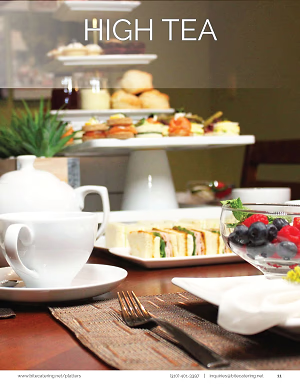
Download PDF: High Tea!

Download PDF: High Tea Assortment
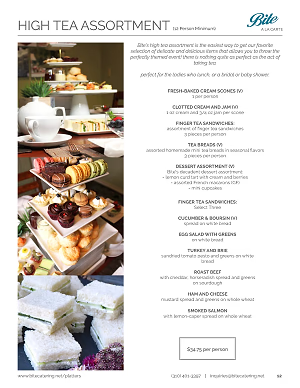
Download PDF: Tea Sandwiches and Scones on A La Carte Platters Menu - Available for Pickup or Delivery
Download PDF: Custom English High Tea Catering Menu Ideas
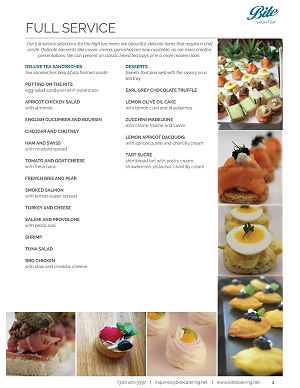
Every tea we build starts with the event. A forty-person shower at a private home in Hancock Park asks for a different service model than a seventy-five-person brand preview at a showroom or a hundred-person philanthropic tea in a ballroom. Some events want a seated service with food brought to tables and tea poured by attendants. Some want a generous display the room can move through, with passed sandwiches and sweets circulating. Some want a mix: seated for the scone course when the honoree gives a toast, free movement before and after. The ceremony adapts. The food doesn't change.
The conversation we have with every client starts with the goal of the event, because a gala is a different build than an office meeting, a bridal shower is a different build than a Mother's Day lunch, and a themed party for three hundred is a different build than a philanthropic afternoon for thirty. Once we know what the event actually is, we work through the things that shape what we can build for it: timeline (when guests arrive, how long the service runs, when other things are happening in the room), venue (where you're hosting and what the space allows), power (tea is a warm-food format, and the warming equipment has to be supportable), activities (whether there's a gift opening, a program, speeches, a theme to coordinate around), and the amount of table real estate available for display work, because tea is a visual format and the footprint matters. Those questions are what we'd walk through with you on a first call, and they're what let us build a tea that adds enjoyment to your event.
Drop-off. You host it yourself, we deliver the food ready to go. Scones, sandwiches, sweets, and a tea setup arrive presented with clear notes, in the same quality of food and display you'd get from a staffed service. For off-site gatherings, picnic birthdays, or office teas, we also build a high tea assortment in individual packaging. Works for smaller gatherings where the host is doing the hosting.
Hosted and full service. A team on site runs the tea so you don't have to. Staff in the room keeping the food warm and replenished, refreshing the table across the service, managing the setup and breakdown. This is most of what we do: bridal showers, Mother's Day lunches, milestone birthdays, brand previews, board teas, philanthropic afternoons. The host gets to host.
Large production. The scale is bigger and the scope often is too. Themed events for two hundred or more, fundraising galas, production events, multi-area builds that coordinate food, florals, rentals, and venue logistics together. This is where we draw on our production-side work (Bridgerton, Downton Abbey, British Consulate, Little Women) and where 440 Elm often enters the conversation as the venue. Same quality of food and service, built for events where the guest list, the program, and the room ask for more.
Despite what many Americans believe, "high tea" is not a more elegant or formal version of afternoon tea. In fact, these two British traditions have distinctly different origins, purposes, and food offerings.
Afternoon tea (sometimes called "low tea") emerged in the 1840s among the British aristocracy. Legend has it that Anna Russell, Duchess of Bedford, created this ritual to address hunger between lunch and the fashionably late dinner served around 8pm. This elegant social occasion typically took place in drawing rooms where guests sat on low, comfortable chairs or sofas—hence the occasional term "low tea."
Time: Usually served between 3:00 and 5:00 PM Setting: Drawing rooms or gardens, with guests seated on comfortable low chairs Food: Light, delicate fare including:
Beverage: Premium loose-leaf teas served in fine china
Afternoon tea became an important social ritual among the upper classes—a chance to display fine china, practice etiquette, and engage in polite conversation. Today, it's this version of tea that luxury hotels and tearooms typically offer as a special occasion experience.
Contrary to its grandiose-sounding name, high tea originated among the working classes of Industrial Revolution Britain. Factory and mine workers returned home hungry after long shifts and needed a substantial evening meal. The "high" in high tea refers not to its sophistication but to the high dining tables where workers sat for their meal.
Time: Typically served between 5:00 and 7:00 PM Setting: Kitchen or dining room at a high table with chairs Food: Hearty, filling dishes such as:
Beverage: Strong tea, sometimes beer or cider
High tea was essentially dinner for working families—a practical, substantial meal rather than a social occasion. The food was filling and designed to restore energy after a day of physical labor.
In contemporary settings, especially in the United States and for catering purposes, the distinction has become somewhat blurred. What many luxury hotels and restaurants advertise as "high tea" is actually afternoon tea, capitalizing on the perception that "high" means more upscale.
For catered events, a modern approach might combine elements of both traditions:
The beauty of today's tea service is that it can be adapted to suit different occasions while maintaining connections to these rich cultural traditions. Whether you're looking for a light social gathering or a more substantial meal experience, understanding the historical distinction helps create an authentic and appropriate tea event.
While afternoon tea as a tradition dates back to the 1840s when Anna Russell, Duchess of Bedford, began serving light refreshments to stave off hunger between lunch and dinner, the iconic three-tiered serving stand we associate with formal tea service is a more recent addition to the tradition.
The three-tiered stand that has become synonymous with English afternoon tea emerged in the early 1900s, during a period when afternoon tea was evolving from a casual aristocratic ritual to a formalized social occasion. This coincided with the rise of luxury hotels in London and other major cities, where afternoon tea became an elegant social affair served in opulent surroundings.
These luxury establishments sought ways to present the three distinct courses of afternoon tea (savories, scones, and sweets) in a manner that was both practical and visually impressive. The tiered stand solved several practical problems:
Prior to the introduction of tiered stands, afternoon tea foods were typically presented on individual serving platters arranged across the table, or brought out in sequential courses.
While there are some regional and establishment-specific variations, the traditional arrangement on a three-tiered stand follows this pattern:
This arrangement creates a natural progression from savory to sweet, mirroring the intended order of consumption during the tea service.
Some establishments reverse this order, placing scones on the top tier (sometimes under a dome to keep them warm). These variations reflect different schools of thought among tea service traditions.
The three-tiered stand has become such an iconic symbol of English afternoon tea that it appears in countless depictions of tea service in film, literature, and art. Far more than just a serving vessel, it represents the refinement, order, and ritual that characterizes the afternoon tea tradition.
Today, these stands come in countless materials and designs, from traditional sterling silver and fine bone china to contemporary glass and acrylic versions, allowing both professional and home tea enthusiasts to create an elegant presentation for this cherished ritual.